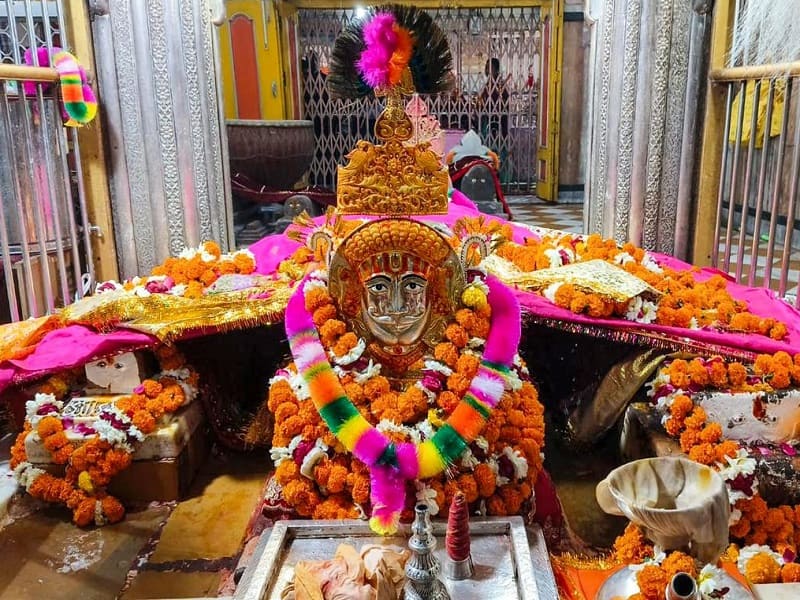
Ramdevra Temple

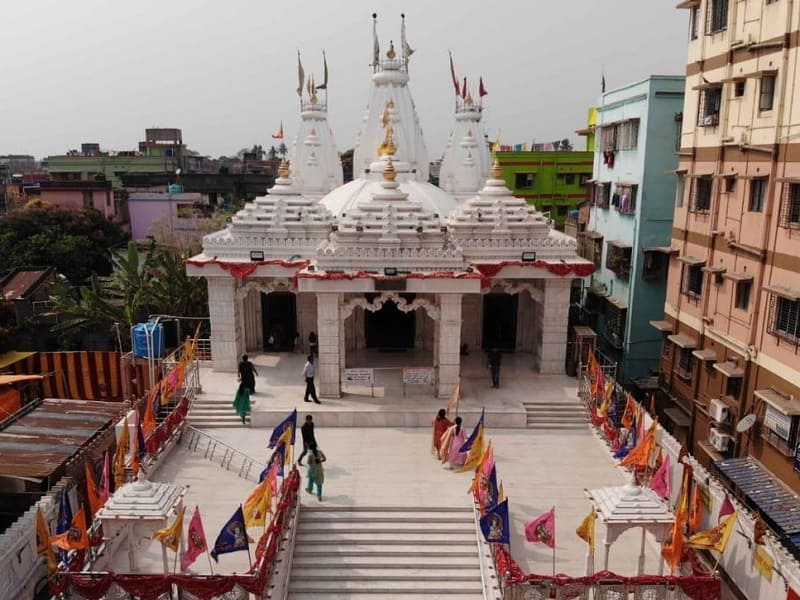
Located ~12 km from Pokhran in Ramdevra, this shrine marks the resting place (Samadhi) of Baba Ramdevji, a 14th-century saint. He is worshipped by Hindus as an incarnation of Lord Krishna and by Muslims as Ramshah Pir. The original structure was built in 1931 by Maharaja Ganga Singh of Bikaner. Key features include the main sanctum adorned with carved silver sheets, the nearby Ramsagar Talab (a large water tank constructed by Baba Ramdevji), and the annual Ramdevra Fair in August–September, which draws thousands of pilgrims.
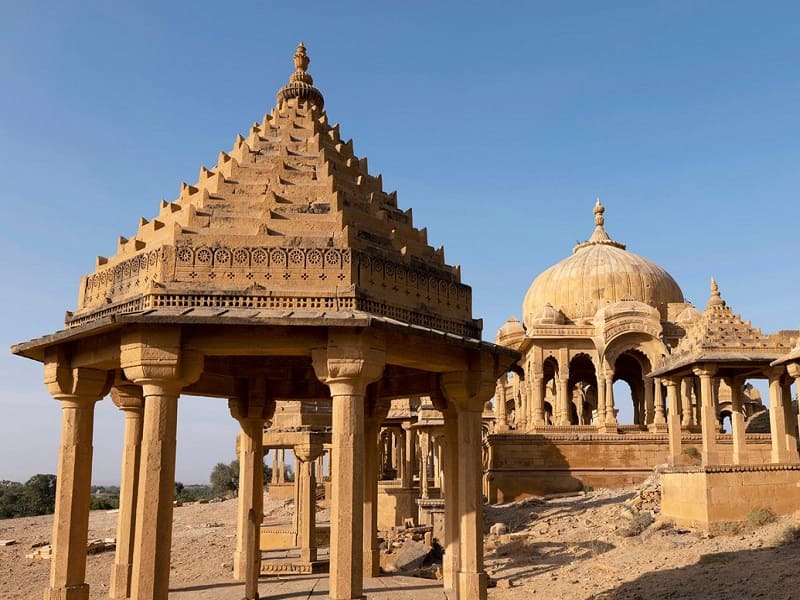
Royal Cenotaph (Royal Chhatris)

Located on the outskirts of Pokhran, these cenotaphs are memorial monuments erected in honor of the past rulers and nobles of the region. Built with yellow and red sandstone, the chhatris feature domed pavilions decorated with traditional stone relief carvings. Positioned against the desert landscape, it is a quiet spot for architectural photography and viewing sunsets.

The Pokaran Fort

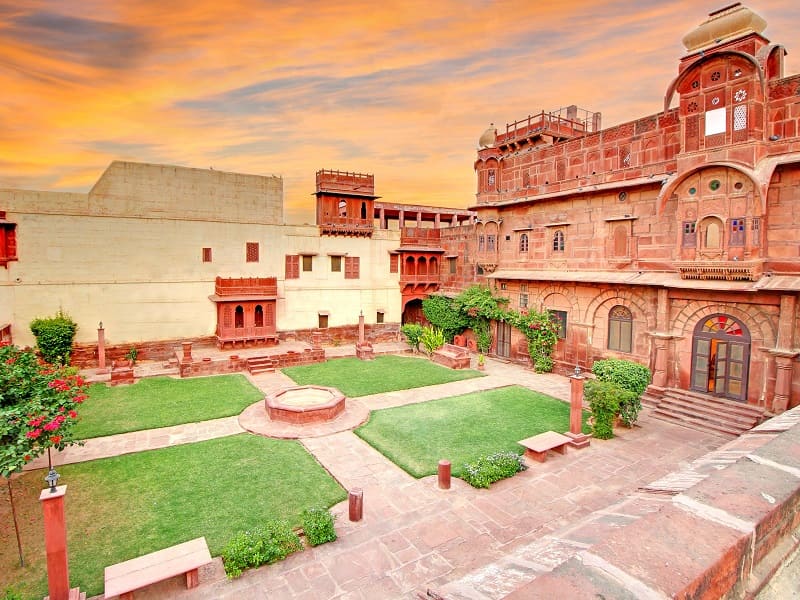
Constructed in the 14th century by Rao Maldeo, a Marwar Thakur, also known as Balagarh Fort. Built using rich red sandstone, the fort features a blend of Mughal and traditional Rajasthani architecture with intricate jharokhas, carved pillars, and arched porticos. The interior houses several smaller palaces, such as Mangal Niwas, Phool Mahal, and Hawa Mahal. It also features a 14th-century temple dedicated to Goddess Durga and a high fortification wall designed with spiked iron gates.

Jaisalmer War Museum

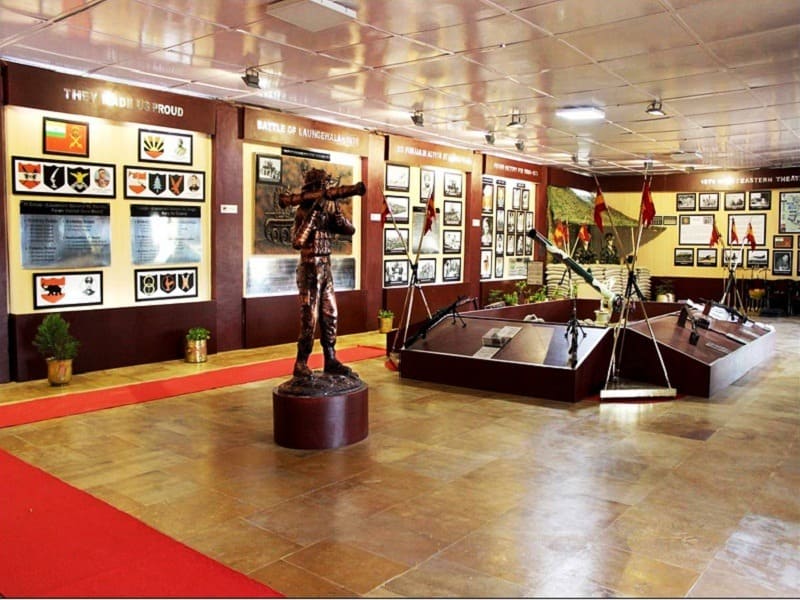
Located on the Jodhpur–Jaisalmer highway near Thaiyat, this museum was established by the Indian Army’s Desert Corps to commemorate the courage of Indian soldiers.The open-air complex displays military hardware captured during conflicts, including tanks, artillery guns, and fighter jets like the Hunter aircraft used during the famous 1971 Battle of Longewala. An indoor hall displays wartime photographs, gear, and screens documentary films about Indian defense history.

Ashapura Mata Mandir

Shri Ashapura Mata Mandir is an important religious attraction in the Pokaran region. The temple is dedicated to Ashapura Mata, a revered Hindu goddess worshipped in parts of Rajasthan and Gujarat. The atmosphere around the temple is generally peaceful and devotional. Visitors can observe local religious traditions and cultural practices here.

Panchmukhi Mahadev Temple

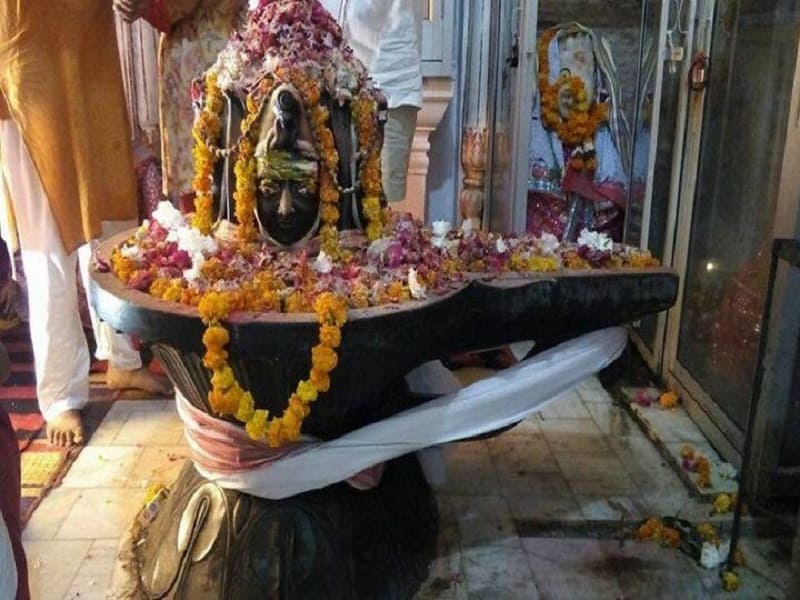
The name "Panchmukhi" refers to the five-faced form or representation associated with the temple. It is a place where local devotees come to offer prayers and seek blessings. The temple represents the long-standing Shaivite traditions found across Rajasthan. Its religious environment offers visitors a glimpse into local Hindu customs. The temple can be visited as part of a cultural and spiritual tour of Pokaran.

Thar Desert

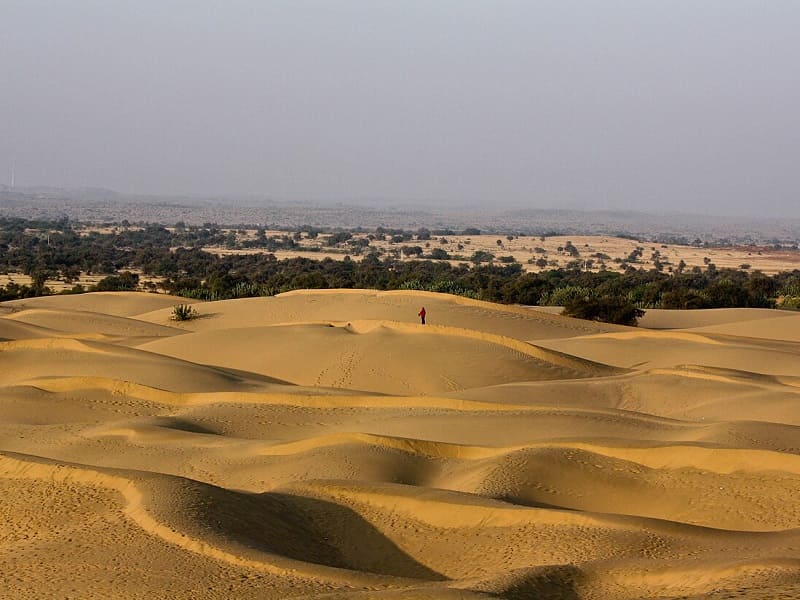
The desert landscape around Pokaran is one of the most distinctive natural attractions of the region. Pokaran lies within the broader Thar Desert, known for its sandy terrain and arid climate. The landscape features open plains, scattered vegetation, rocky areas, and sandy stretches. Visitors can experience the quiet and expansive character of Rajasthan's desert environment.Sunrise and sunset can be particularly attractive because of the changing light across the landscape.